 Toggle Coffee
Kilimanjaro Plantation — meeting the farmers
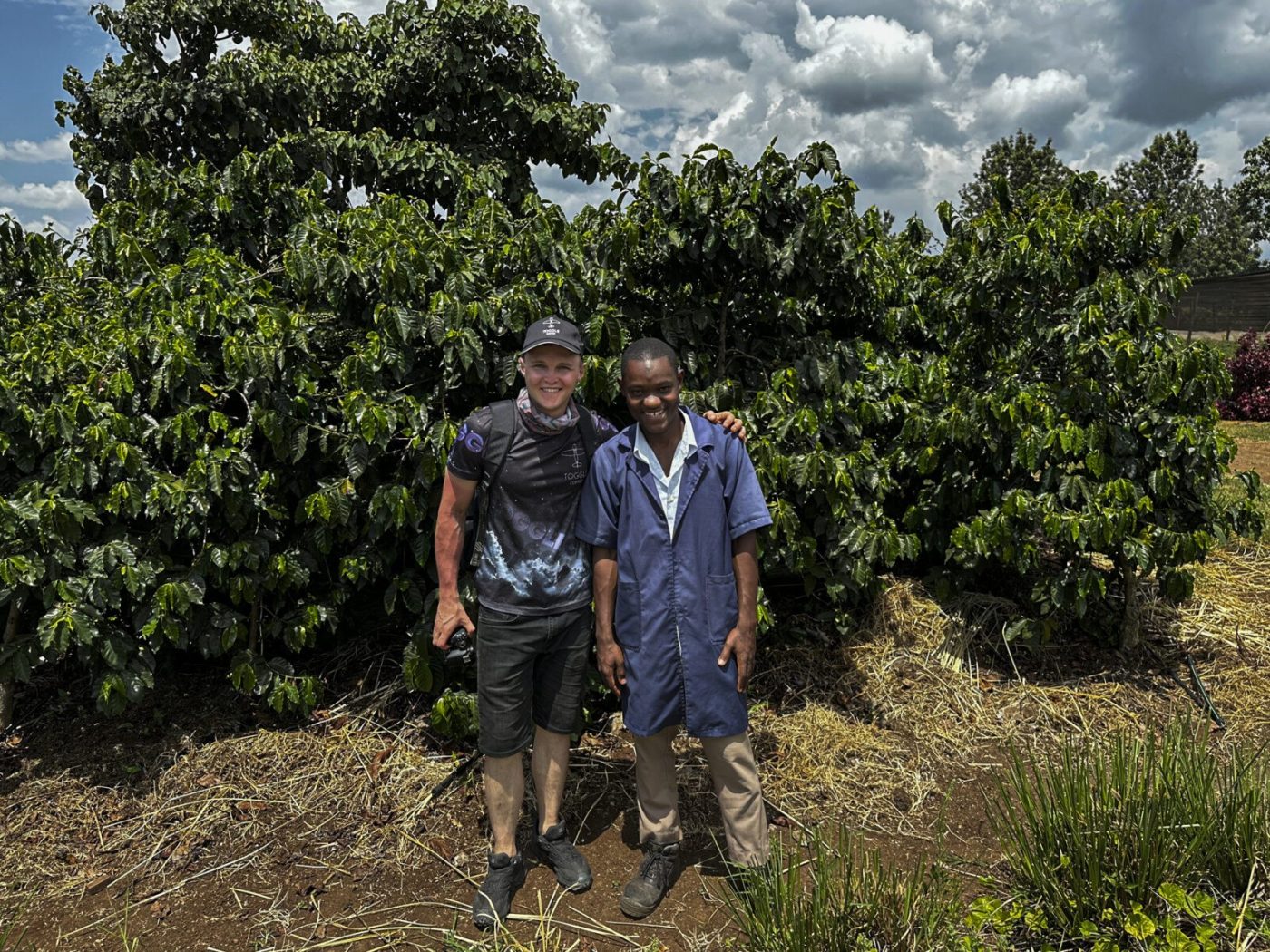
Kilimanjaro Plantation has been growing and producing coffee since 1955 on the southern slopes of Mount Kilimanjaro. The plantation covers a total area of 663 hectares, which makes it one of the largest plantations in northern Tanzania. The farmers have planted and raised more than 1 million trees across 565 hectares, and the remaining land has been left as natural forest.
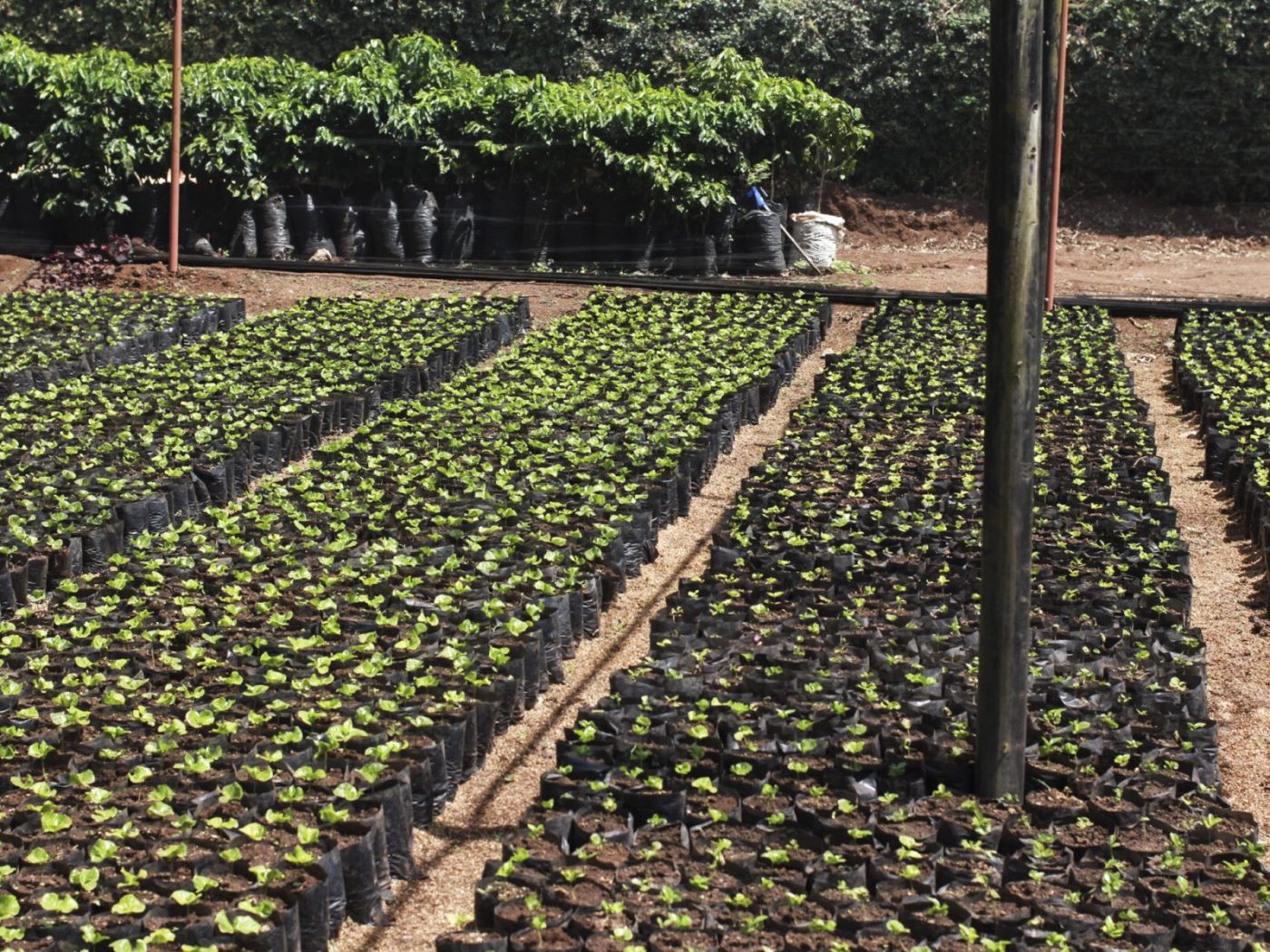
Arabica seedlings. Here, in the tropical highland climate of the rainforest, lush vegetation and nutrient-rich soil make for very good coffee-growing conditions. Thousands of seedlings wait their turn in dedicated greenhouses. The plantation grows the Arabica varieties Bourbon, N39 and KP.
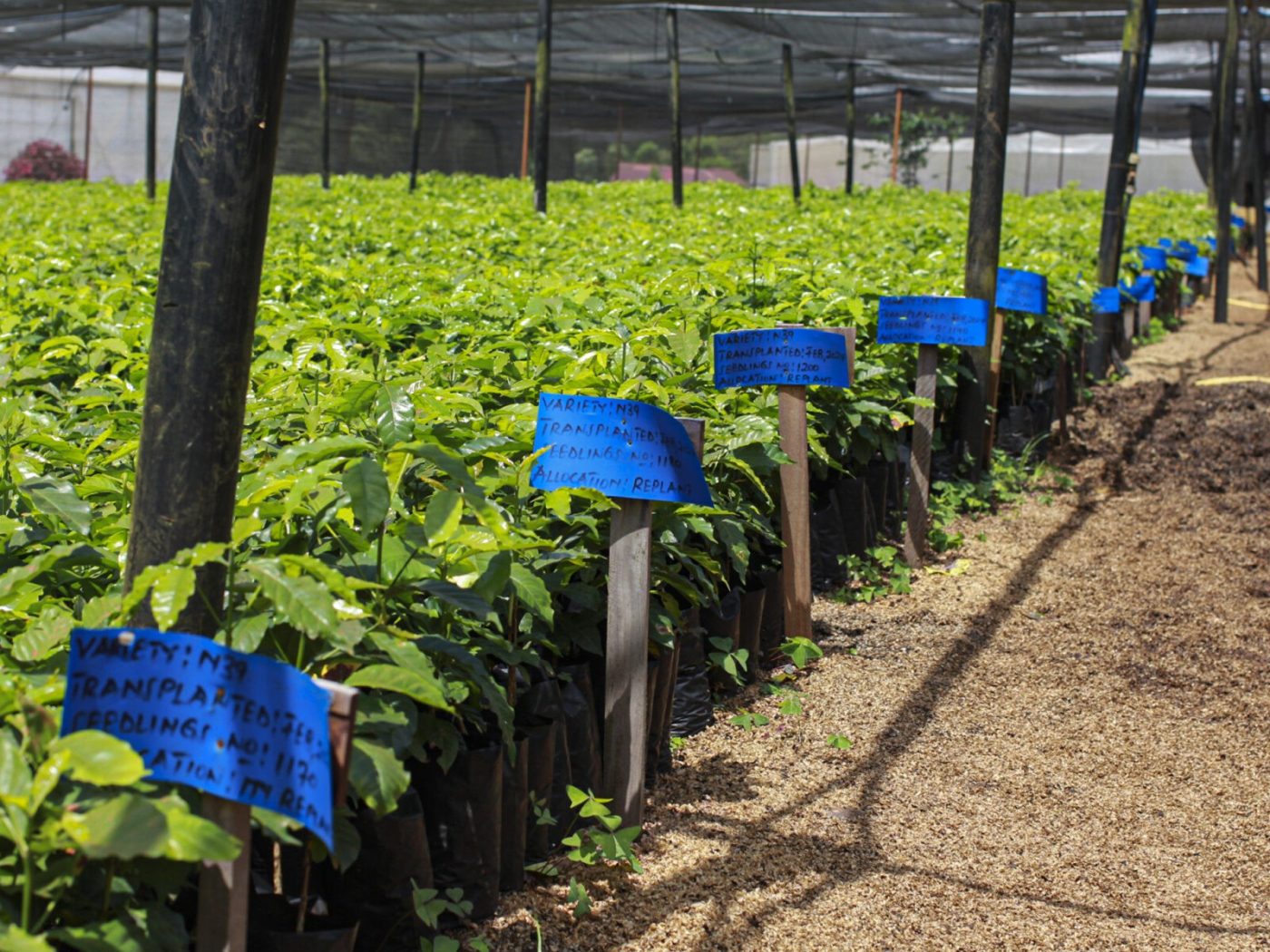
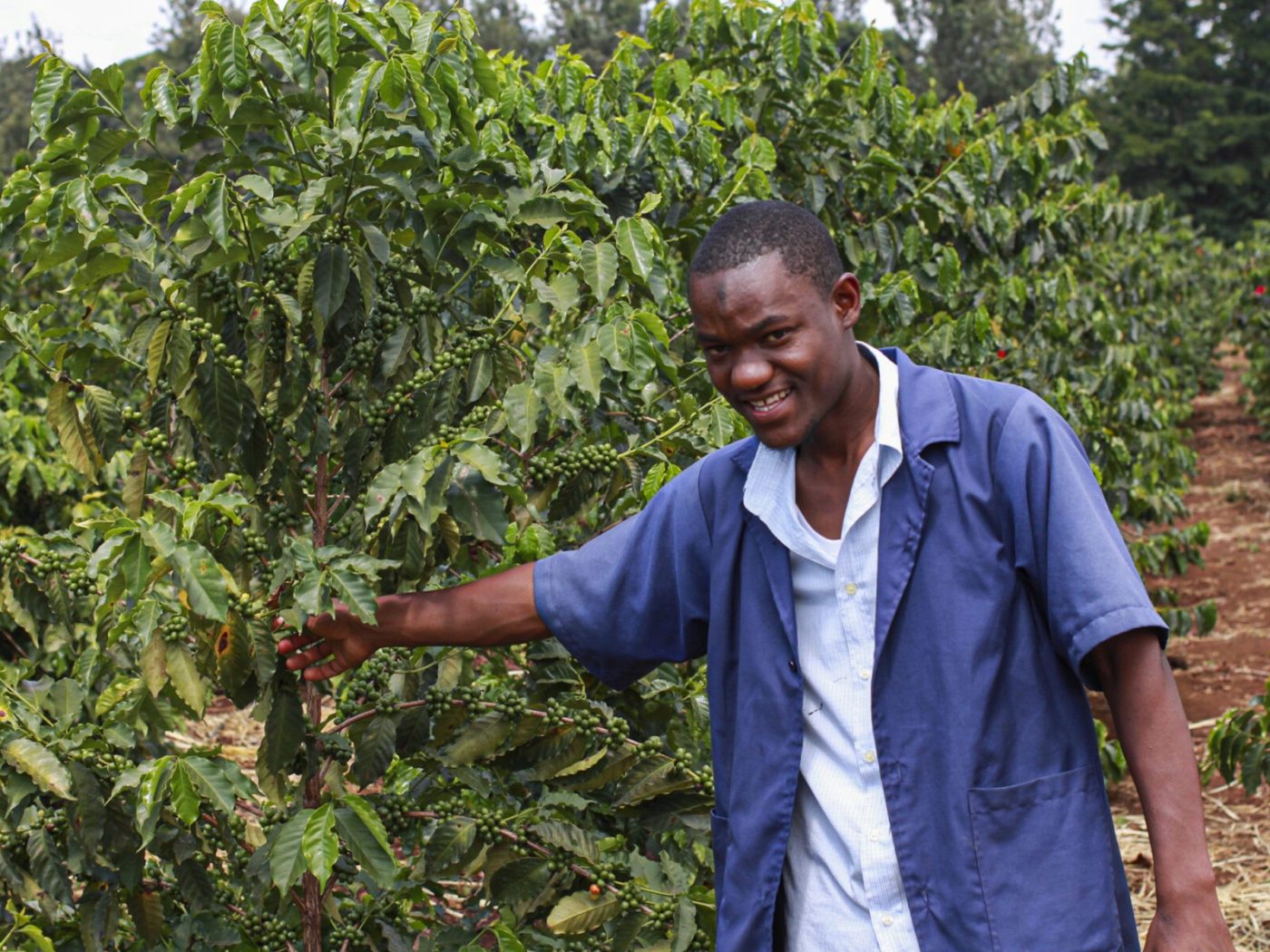
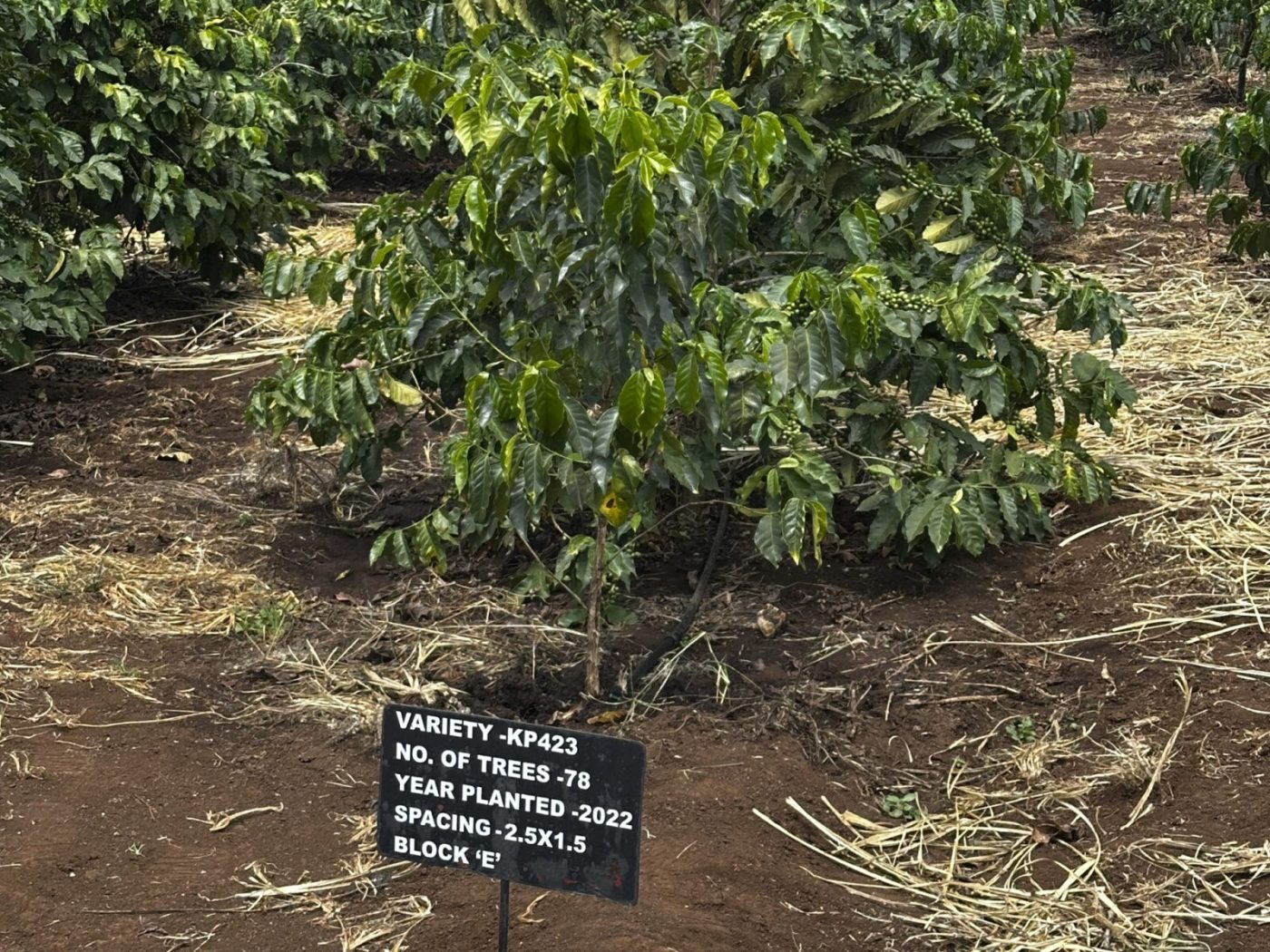
A farm worker points out the best trees on the plantation — KP423. At 1,350–1,500 metres above sea level, in gently rolling country, the coffee trees enjoy steady year-round temperatures ranging from 10 °C to 30 °C. There are two rainy seasons over the course of the year: a short one from October to December and a longer one from March to June.
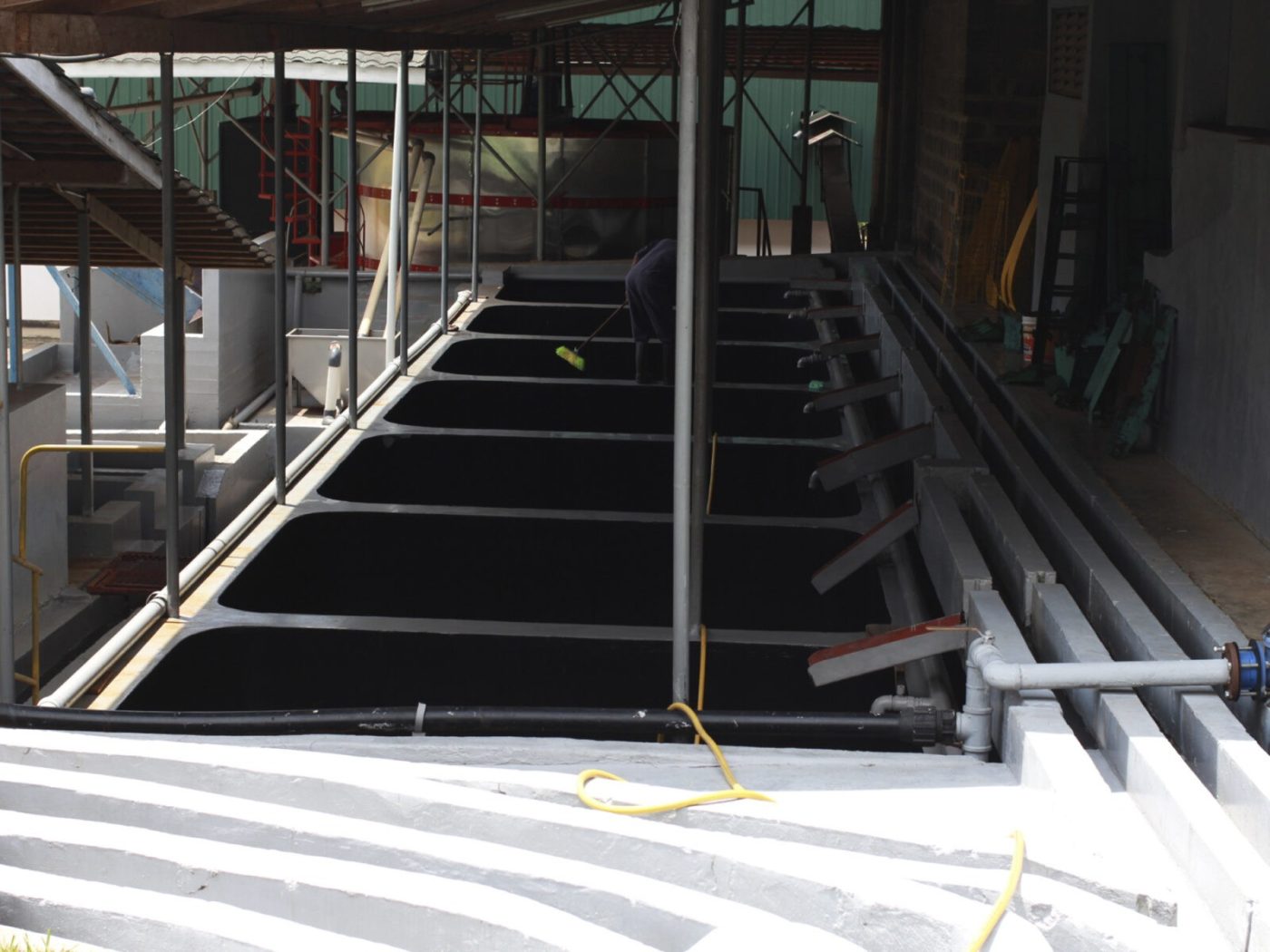
The cherries go through traditional washed processing. Once the pulp has been removed (pulping), fermentation follows. The coffee is then rinsed in a washing channel and sorted into three different grades: AA, AB and PB (peaberry).
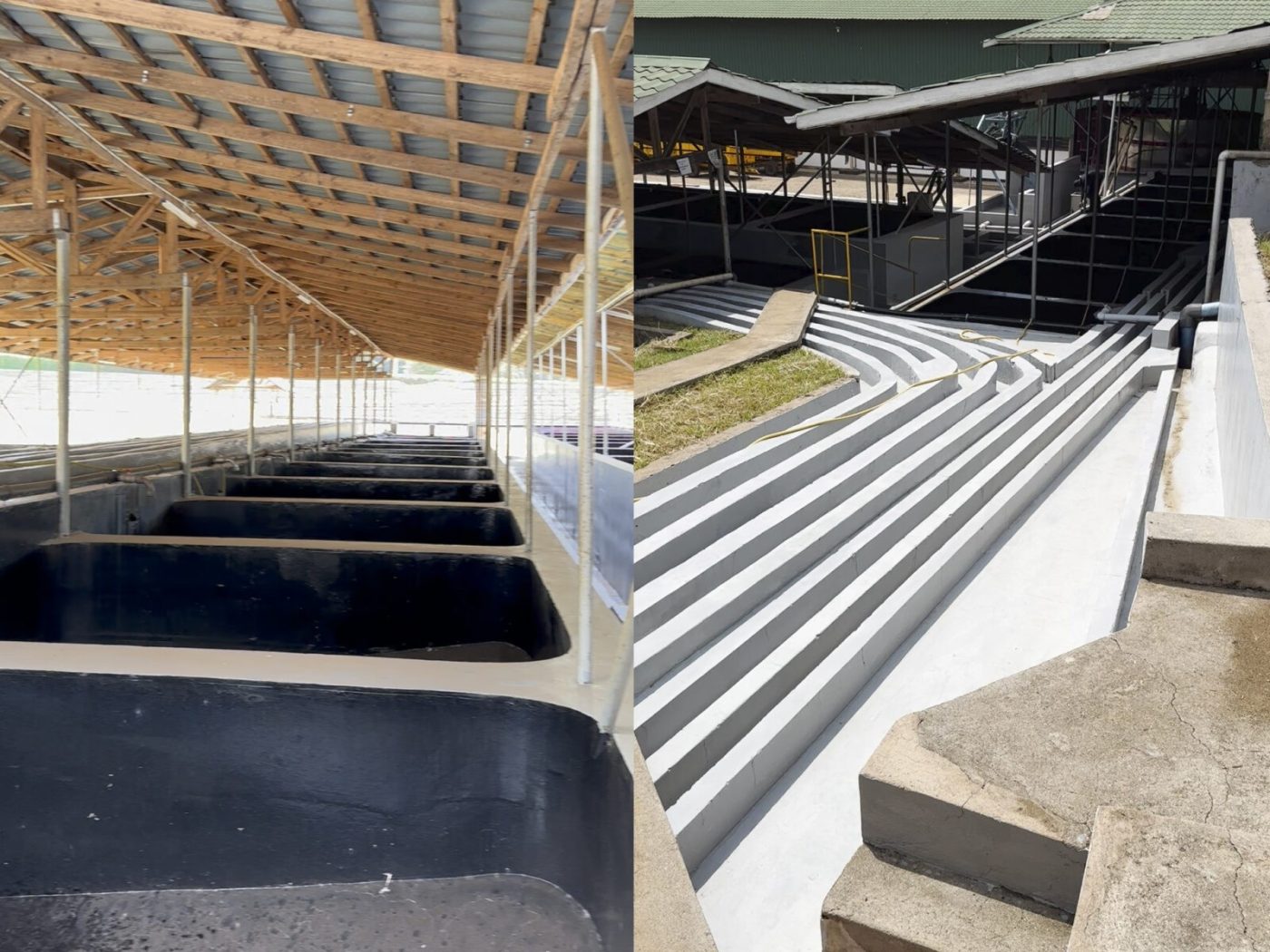
The size of the bean in any coffee is called its screen size — after the screen, the sieve through which the beans are graded. AA is screen 18.5–20. AB is screen 15–18. PB is a mutation in which the cherry holds a single seed instead of two.
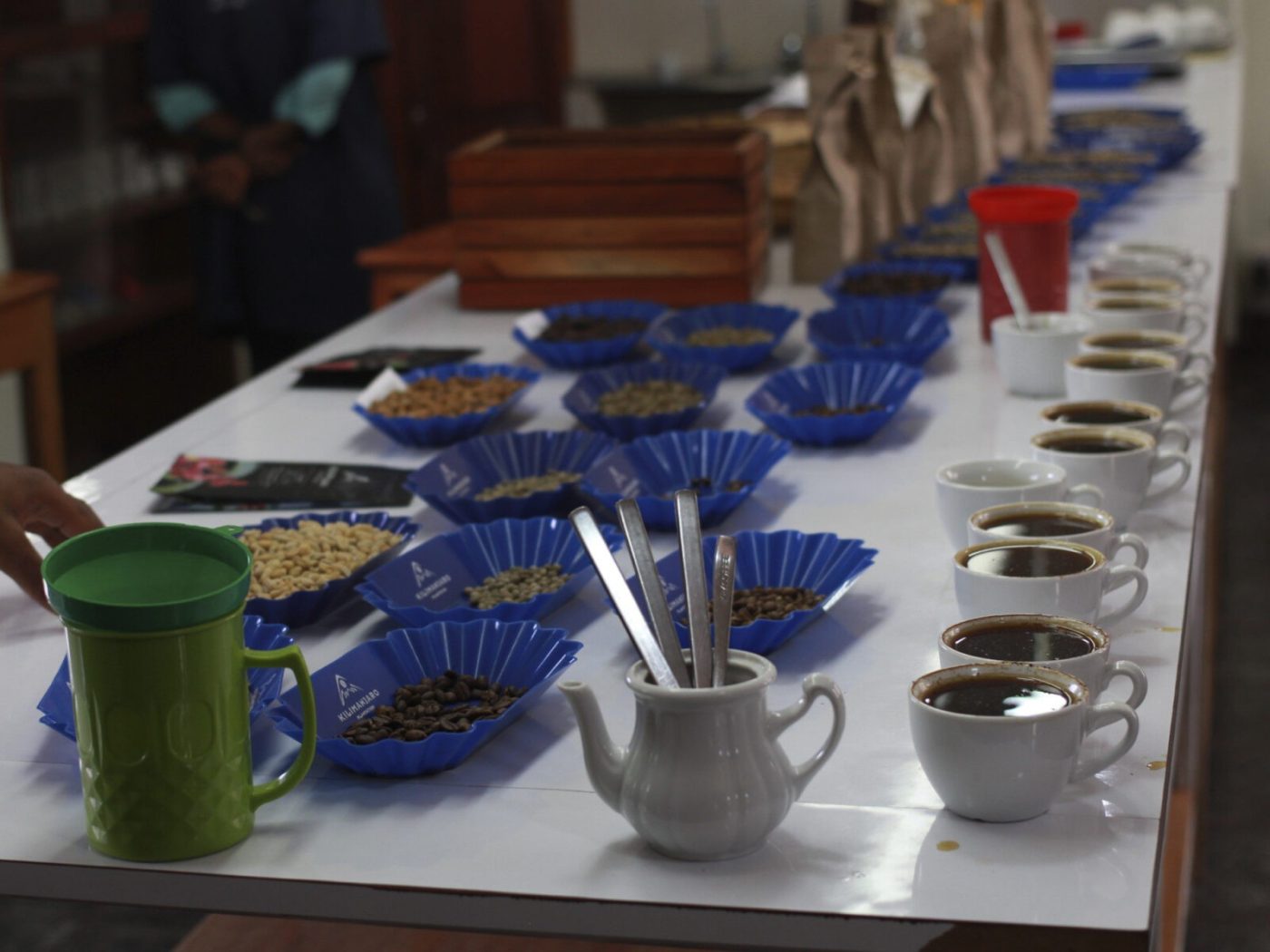
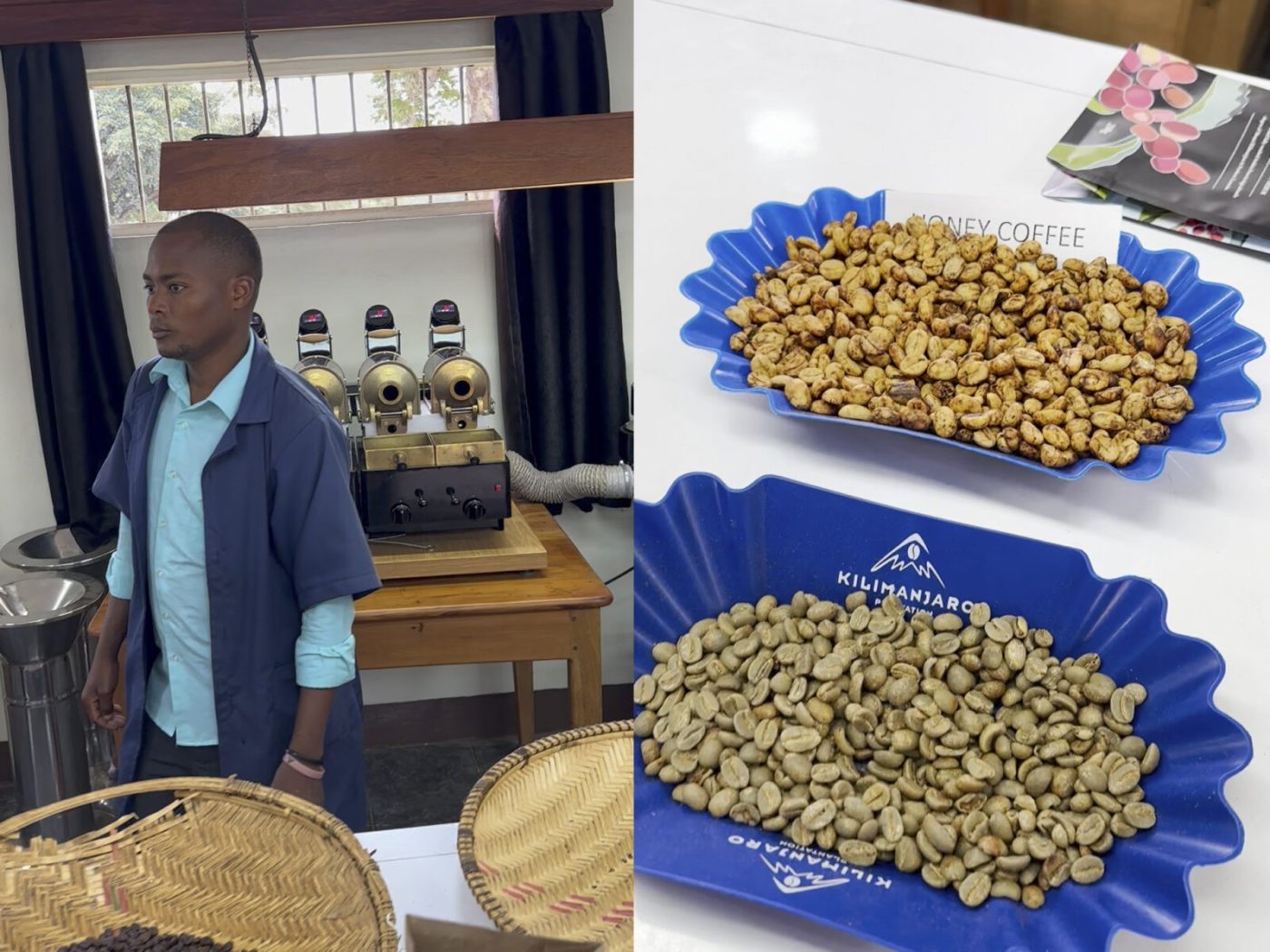
After the tour the team set up a cupping of the lots. Everything tasted excellent, and there are experiments with honey processing going on. I brought all the base samples back to St Petersburg to roast them and taste them again.
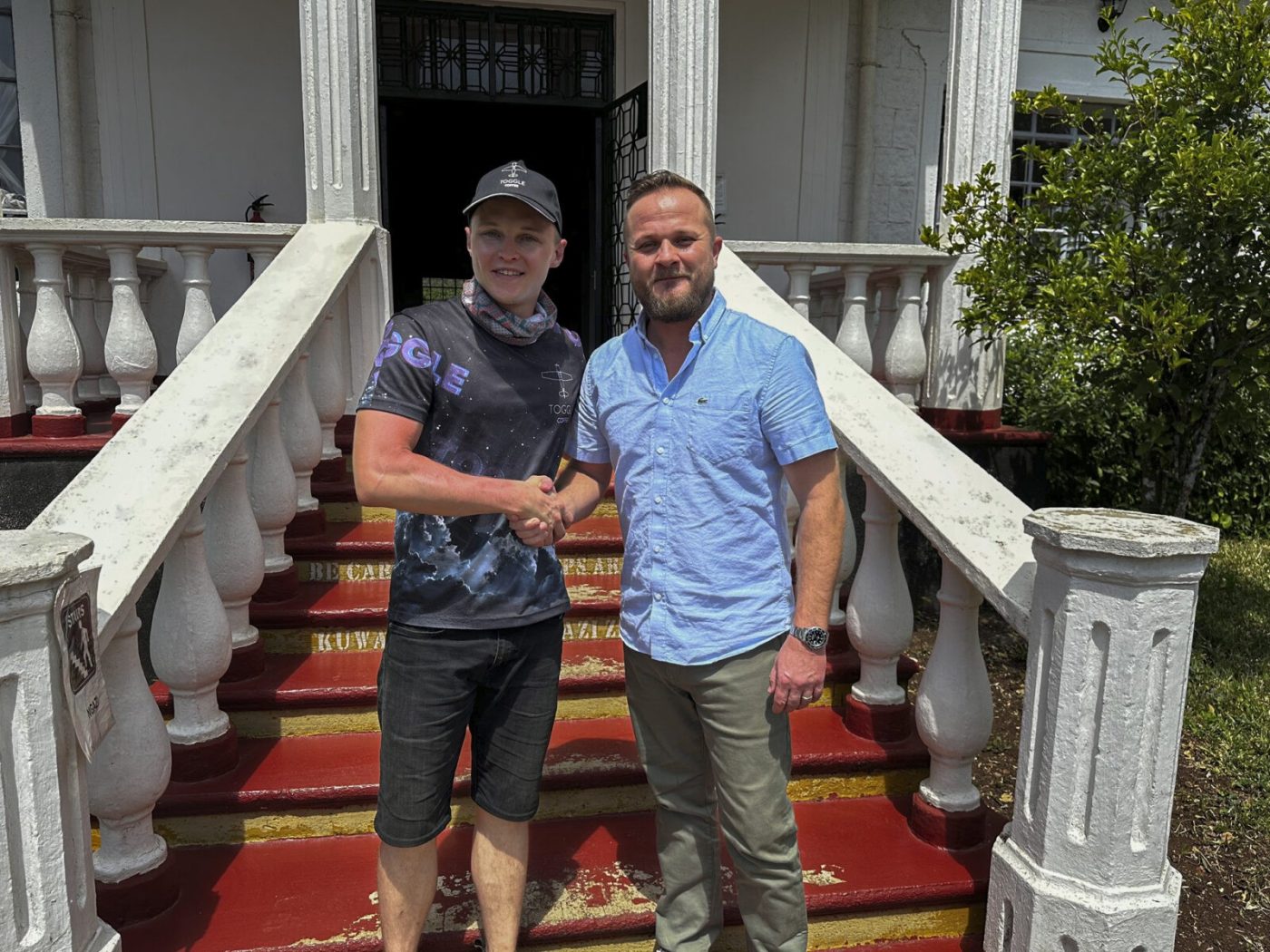
Colton Rabenold, the plantation's general manager. Colton has lived on this plantation since he was a child and has been running the farm for more than twenty years now. I brought him a present — a bag of whole bean coffee and some drip bags from their own plantation, roasted in St Petersburg.