 Toggle Coffee
The Ptenets-2 aircraft

Dear friends and guests of Toggle Coffee. One way or another, you all know what our place is about. So picture this. An azure sky, wind in your face, and you… you are soaring! Not aboard a Boeing 747 or some similar airborne minibus, but on something far more compact and, let's say, personal.
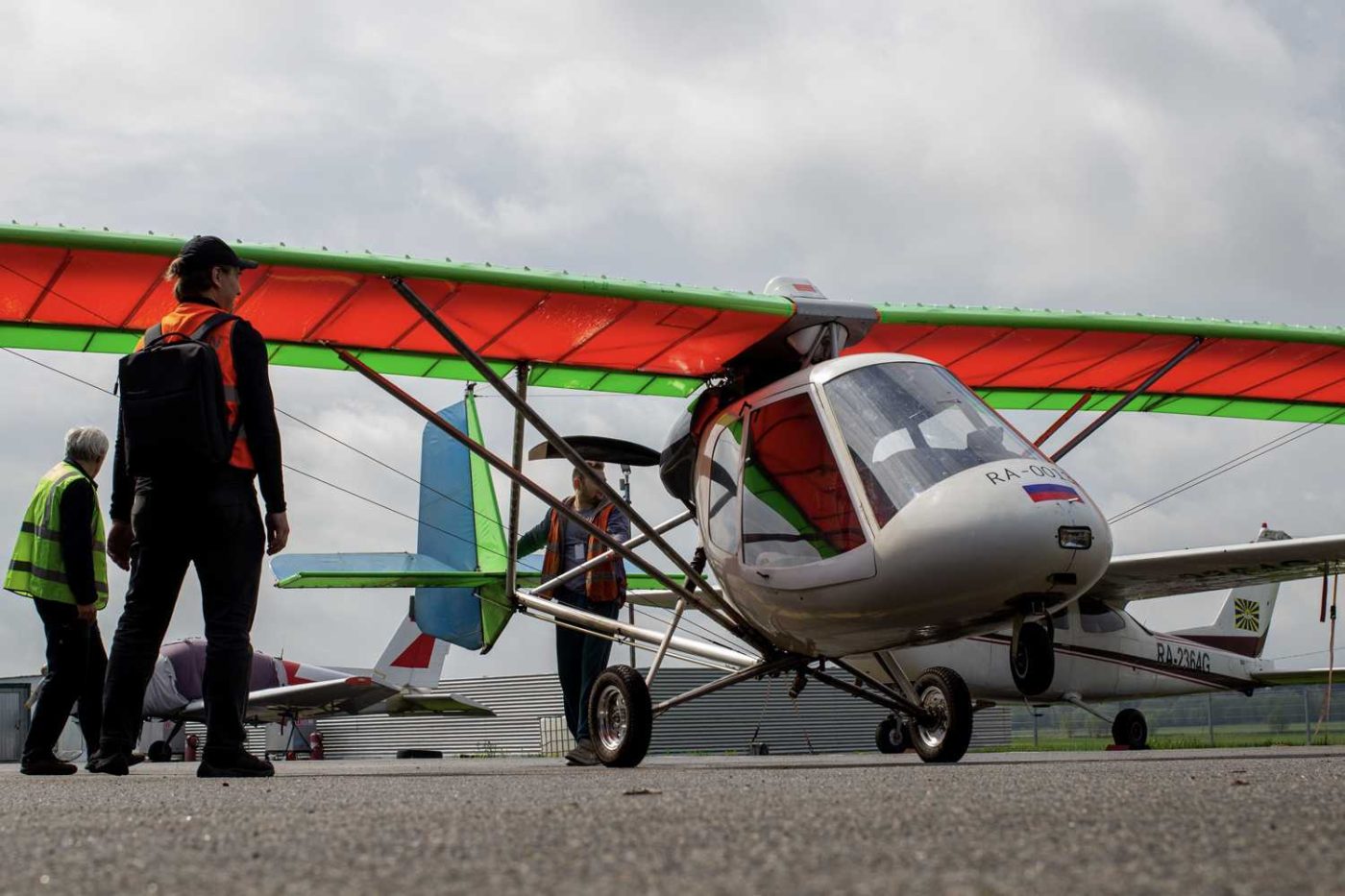
We are going to talk about ultralight aviation — or, as it is affectionately known, aviation for the soul. Forget strict regulations and cramped cabins; what rules here is lightness, manoeuvrability and absolute freedom. Ready to find out how to turn the dream of flight into reality without going broke on an airliner? Then fasten your seatbelts, we are taking off!
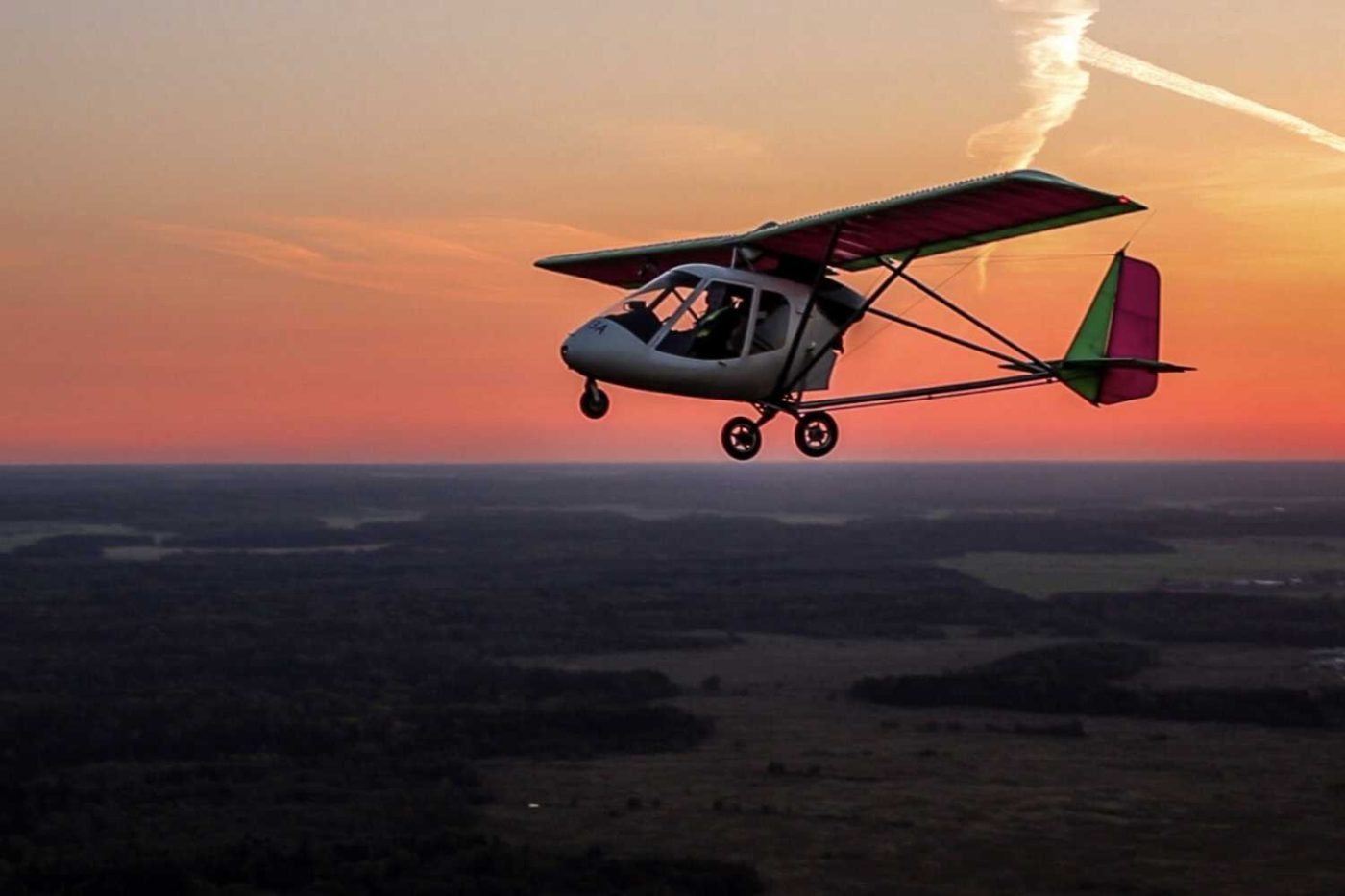
Doing that is actually not all that hard, thanks to the beauties based at Gostilitsy airfield. These machines are called the Ptenets-2. Let's talk in more detail about how this aircraft is put together and how it works.
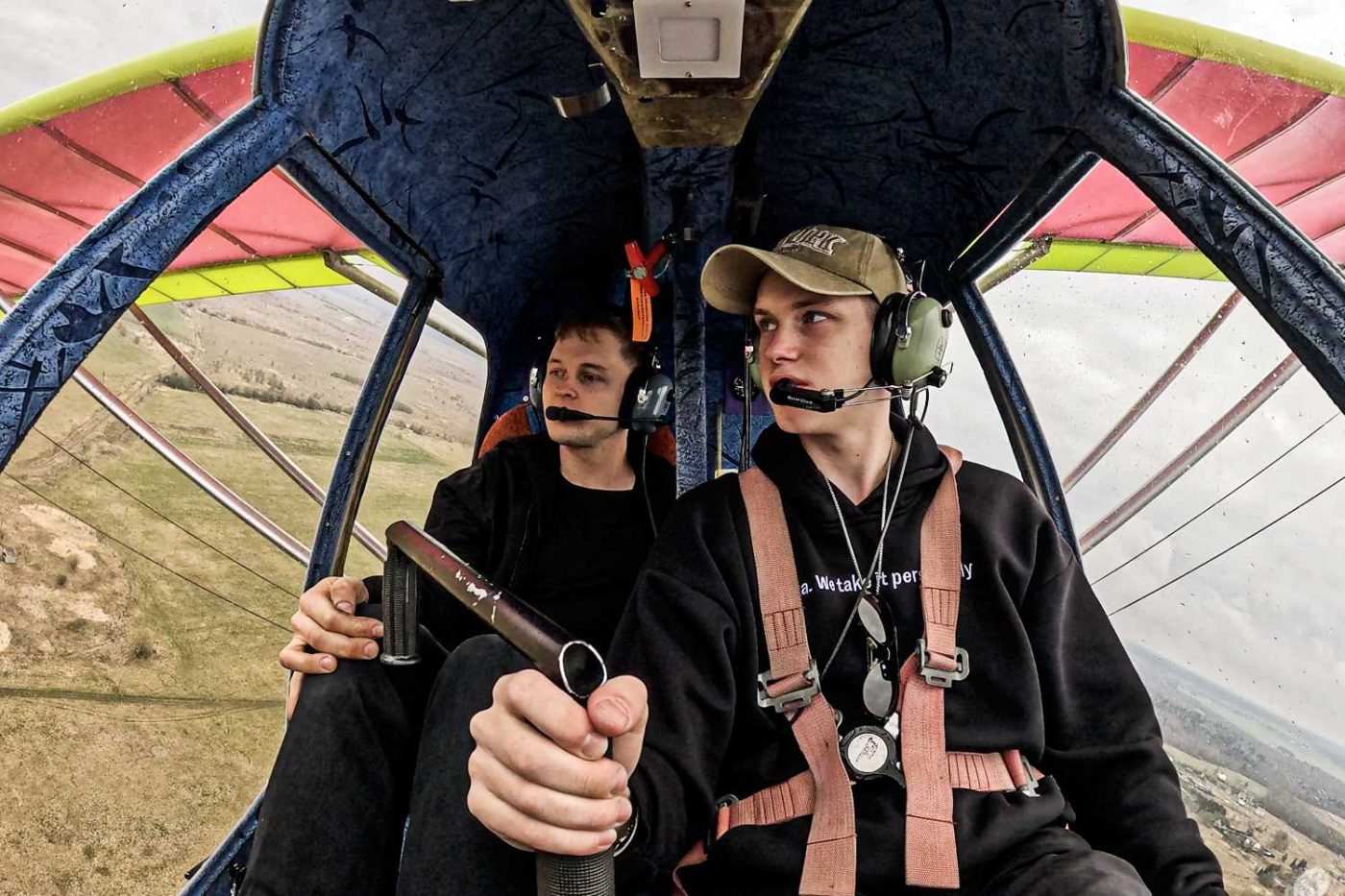
As for the full name of this flying machine (hereafter "the aircraft"), our guest is properly called the P-20 Ptenets-2. It is one of the finest examples of ultralight aviation. Its wing is like that of an ordinary aeroplane, but held up by special struts and bracing wires, the way old aeroplanes were. On the Ptenets-2 the wing is made of two halves. Inside there is a "skeleton" of lengthwise beams (spars) and cross members (ribs). All of it is covered with fabric that has little pockets for special battens, so that the wing keeps its shape. The rear spar carries the attachment fittings for the flaperons. These are control surfaces that do the job both of ailerons (changing the aircraft's angle of bank) and of flaps (increasing the lift of the wing). The bracket that controls them is mounted on the inner strut of the aircraft. They too are made of fabric stretched over a frame, like little wings inside the big one.
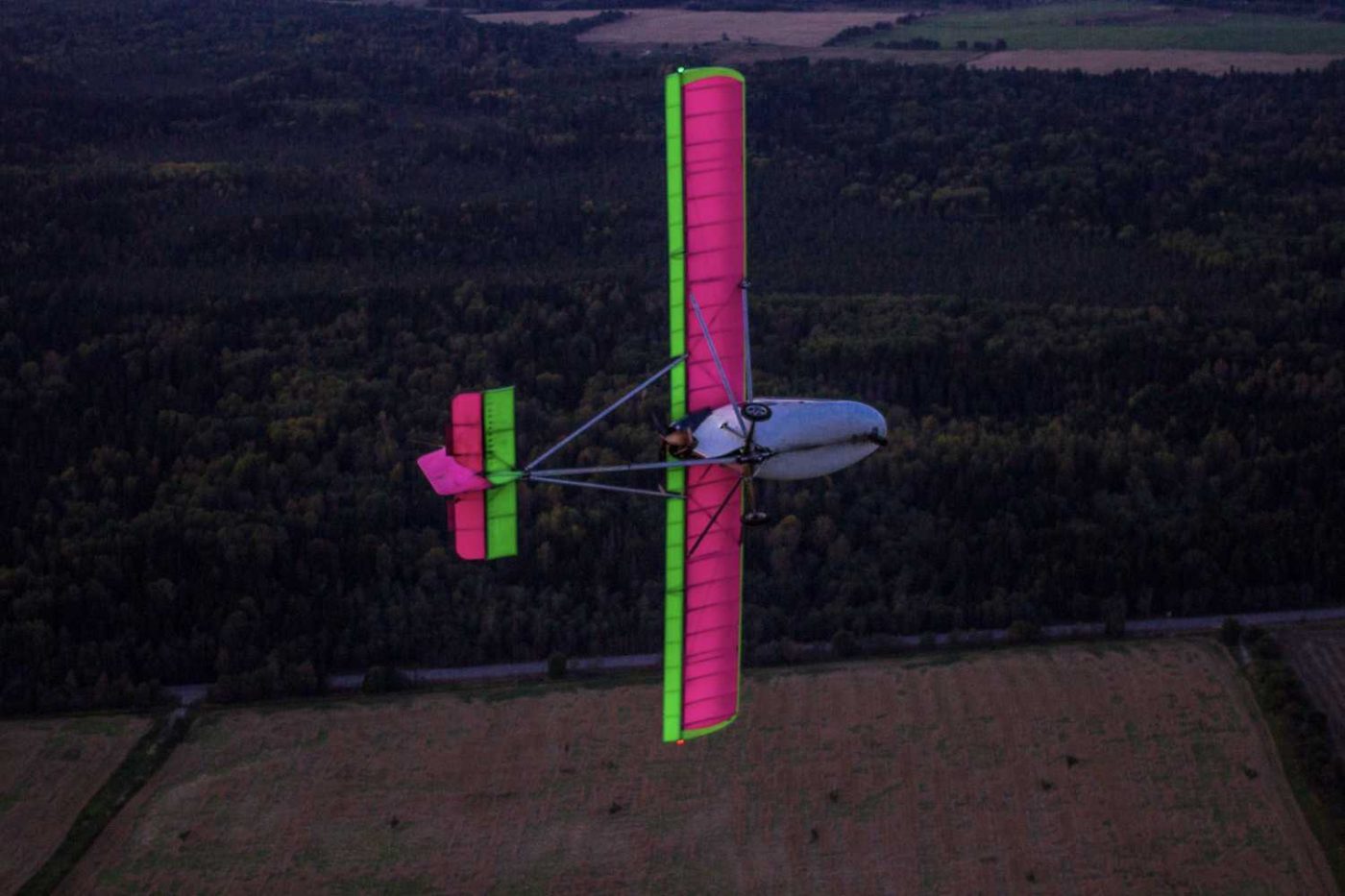
The body of the aircraft (the fuselage) is a wire-braced truss, with a frame made from D16T-grade tubing. At the tail there are the fin, the stabiliser and the controls (elevator and rudder) — these are fabric-covered as well, and they are what helps you steer the aircraft. At the front of the body is the cockpit for the pilots.
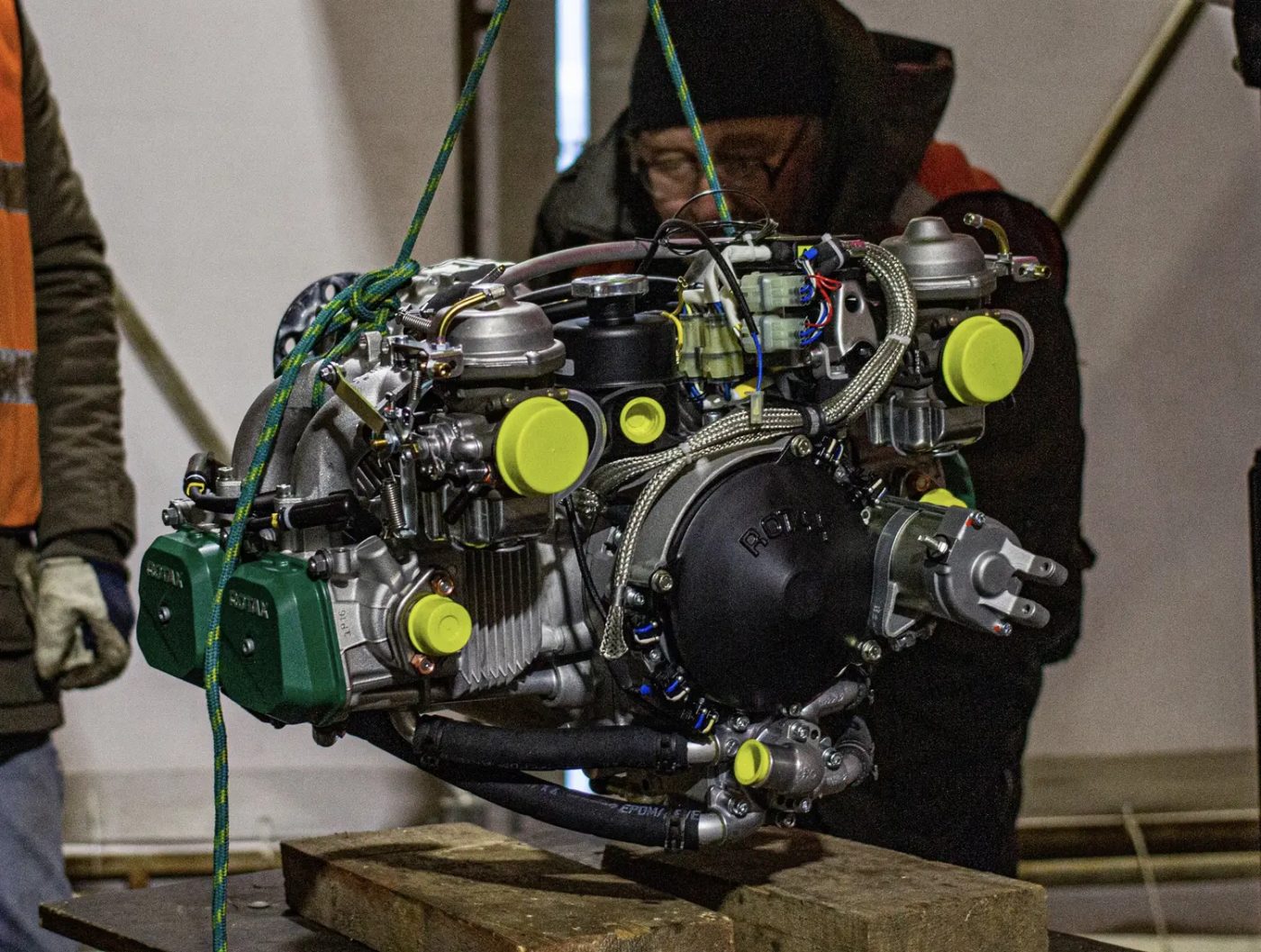
Mounted there as well is the Rotax-912 engine, tucked away under a handsome streamlined cowling. Let's take a closer look at the Ptenets-2's powerplant. The Rotax-912 is a petrol, four-stroke, four-cylinder aero engine with carburettor mixture formation. The cylinders are horizontally opposed (boxer), and the camshaft of the valve train sits low. The Rotax-912 is fitted with hydraulic lifters to take up the valve clearances. The engine has air cooling for the cylinders and liquid cooling for the cylinder heads. Ignition is electronic and duplicated. The fuel is 95-octane motor petrol.
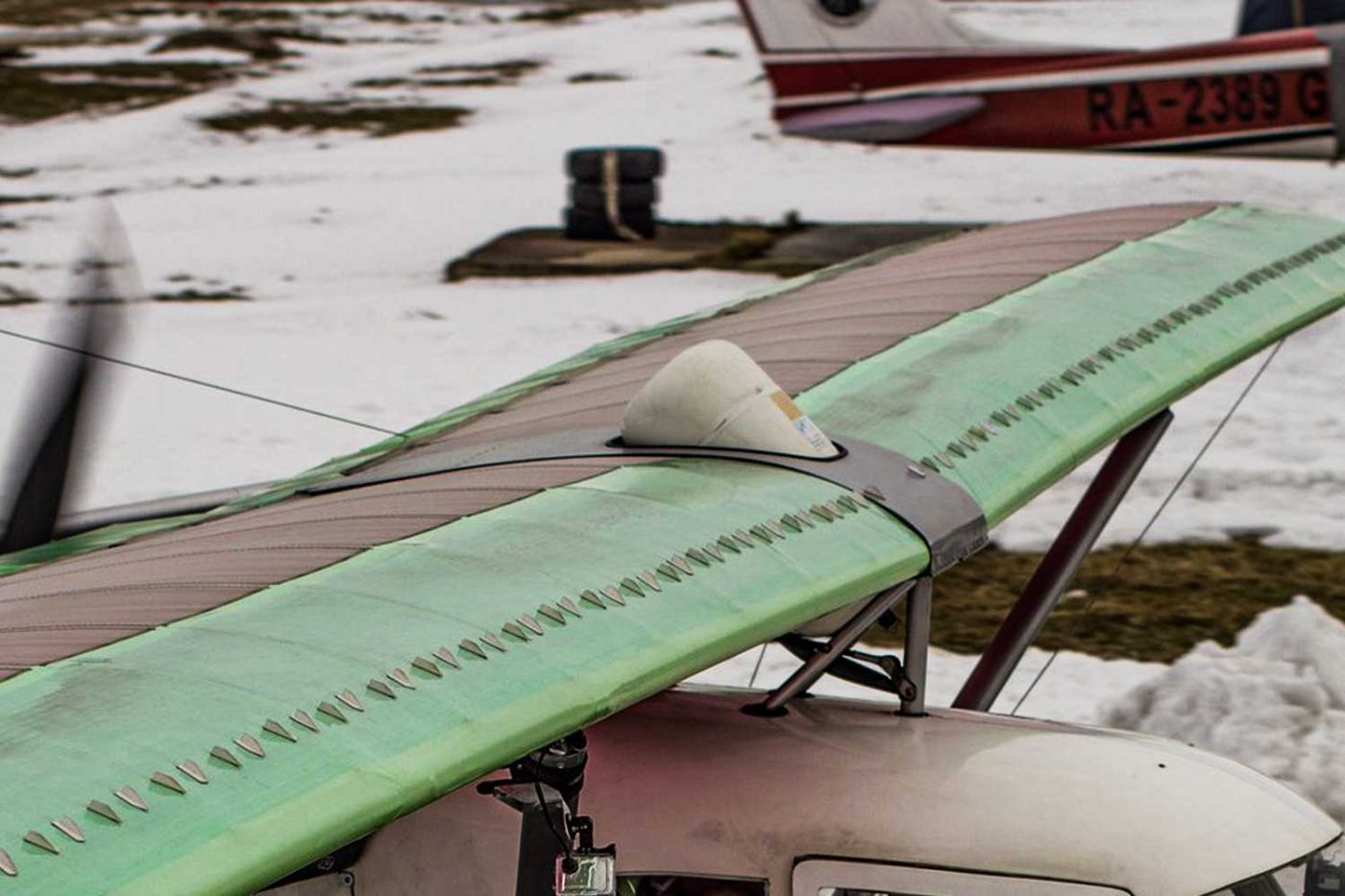
It is also important to mention that the aircraft is fitted with the Cobra 500 rescue system. It is a huge parachute that fires out in an emergency and saves not only the crew but the machine itself. So don't worry. The landing will be a soft one either way.
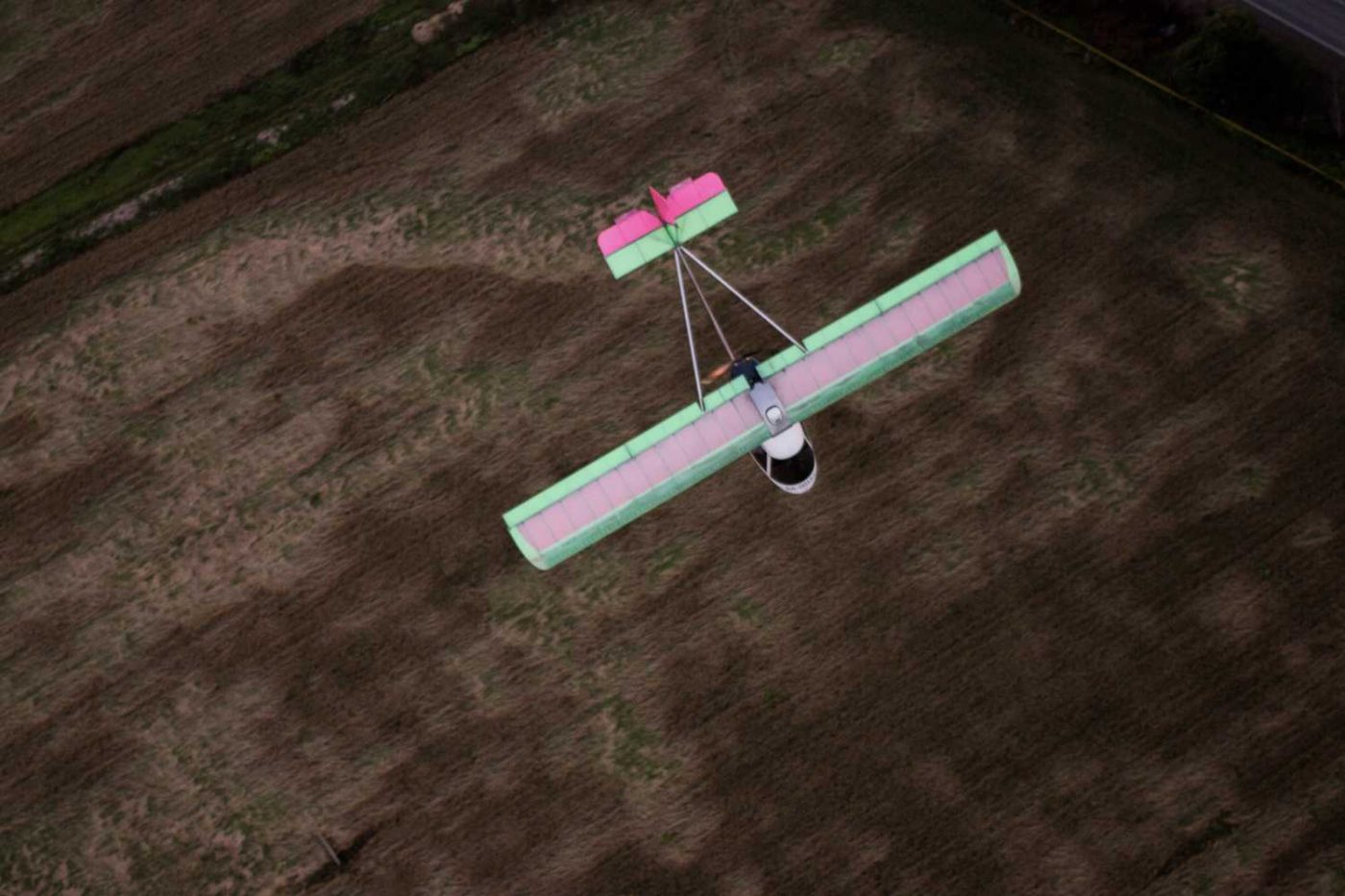
What we end up with is a simple, reliable, easy-to-operate two-seat aircraft that is able to give you a unique experience of flying and gliding.

Vladimir Markazen, founder of Gostilitsy airfield and the Argo ultralight aviation club
And to find out more about how exactly you can get a taste of all this, come and ask us at the coffee shop, or go straight to Gostilitsy airfield, to the Argo ultralight aviation club. We will tell you everything over a cup of our fragrant, freshly roasted coffee.